
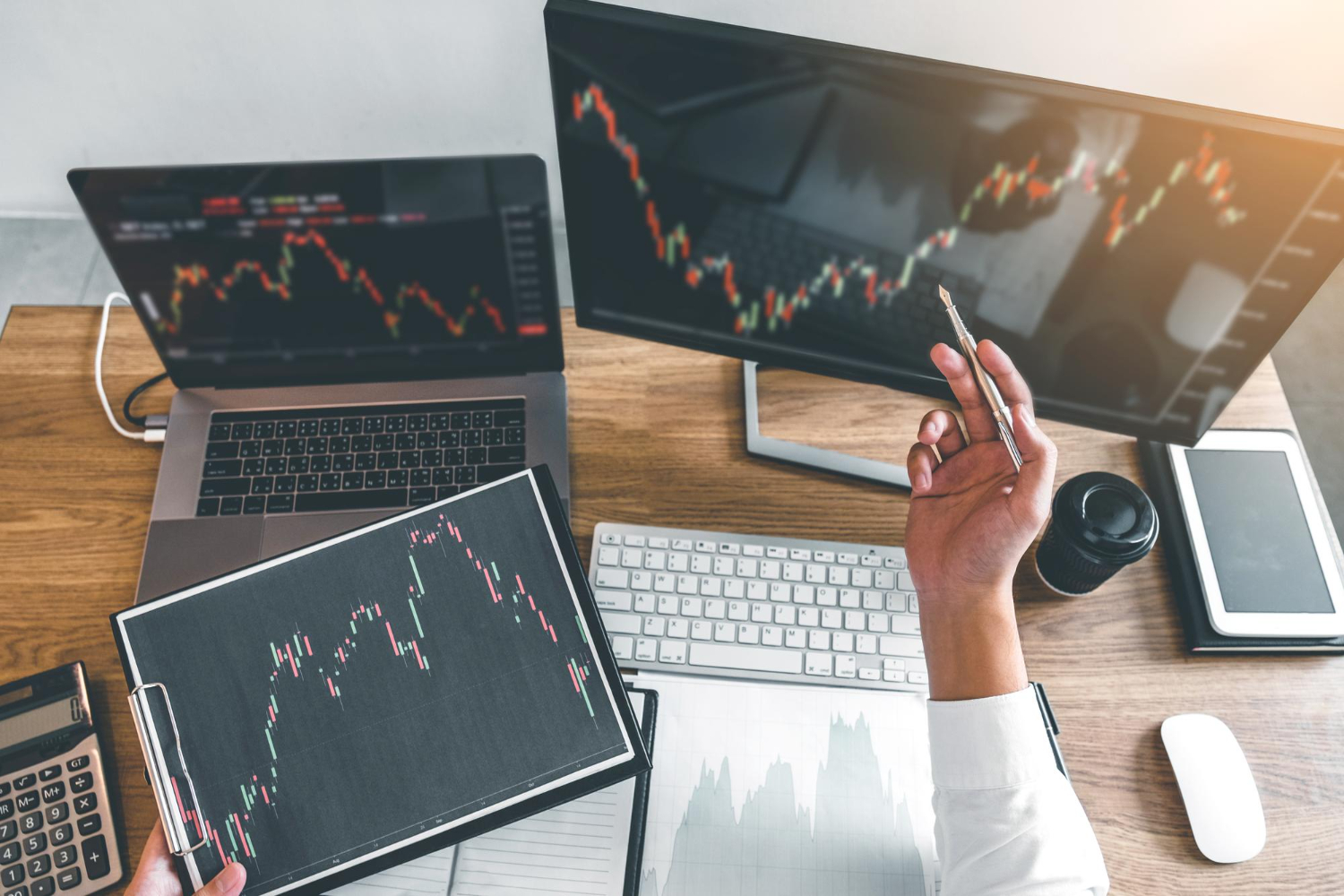
In the rapidly evolving digital landscape, web trading platforms have significantly transformed the manner in which individuals participate in trading activities. These platforms provide a combination of convenience, real-time data, and advanced analytical tools, rendering them essential for both novice and experienced traders. This guide will define what a web trading platform is and outline its key functionalities. It will also discuss the various advantages these platforms offer, highlight important features to consider when selecting one, and provide recommendations for optimising trading success. Whether one is looking to initiate trading or to refine an existing strategy, this information serves as a comprehensive resource.
What is a Web Trading Platform ?
A web trading platform is a sophisticated interface that facilitates online trading of various financial instruments, including shares, foreign exchange, and cryptocurrencies. These platforms are designed to offer convenience and accessibility, allowing investors to manage their portfolios and execute financial transactions from any location with internet connectivity. With the emergence of mobile trading, traders can now leverage trading applications to monitor market trends and analyse trading signals in real-time. Furthermore, web trading platforms typically provide a range of account types and features tailored to accommodate different investment strategies and risk management approaches.
Advantages of Using a Web Trading Platform
The utilisation of a web trading platform presents numerous advantages that significantly enhance the overall trading experience for both investors and traders. One of the primary benefits is the convenience and accessibility these platforms provide, enabling users to engage in trading from virtually any location, whether via a desktop or mobile device. Furthermore, the user-friendly interface and comprehensive trading features promote effective market analysis, allowing traders to make informed decisions without the necessity of complex software installations. Additionally, the cost efficiency of these platforms, often characterised by lower broker fees, further contributes to their growing popularity within the trading community.
Convenience and Accessibility
The convenience and accessibility of web trading platforms have fundamentally transformed the manner in which traders engage with financial markets, significantly simplifying the execution of trades and management of investments. With the introduction of mobile trading and specialised trading applications, investors are now able to monitor their portfolios and respond to market fluctuations in real-time, irrespective of their physical location. This flexibility enables traders to remain attuned to market trends and execute orders promptly, thereby enhancing their capacity to capitalise on profitable opportunities and efficiently manage their financial transactions.
The capability to access trading platforms across various devices allows individuals to maintain continuity in their trading strategies, whether they are situated at home, in the office, or travelling. For example, a trader may initiate stock analysis on a tablet during their commute and subsequently transition to a desktop for more comprehensive analysis at home. This seamless transition not only promotes knowledge-based decision making but also facilitates the immediate execution of trades based on timely insights, ultimately resulting in improved trading performance. Furthermore, many platforms offer push notifications for significant market movements, ensuring that traders are equipped to make informed decisions at critical junctures.
Real-time Data and Analysis
Access to real-time data and analysis is an essential component of successful online trading, enabling investors to make informed decisions based on the most recent market trends and economic indicators. Web trading platforms offer a variety of trading tools, including charting functionalities and performance tracking features, which allow users to analyse trading signals and assess market conditions promptly. This immediacy in data access not only enhances the market insights available to traders but also facilitates the implementation of effective trading strategies that can adapt to evolving market scenarios.
The importance of timely information is paramount, as market fluctuations can occur rapidly and unexpectedly. For example, advanced analytics enable traders to dissect performance metrics such as volume, volatility, and price movements, allowing them to identify opportunities and effectively mitigate risks. Real-time insights into macroeconomic developments and geopolitical events can be crucial in influencing market sentiment and direction. By leveraging these tools, traders are better positioned to navigate the complexities of the online trading landscape, maximising their potential for success and ensuring that their investment strategies remain resilient amid constant changes.
Key Features to Look for in a Web Trading Platform
When selecting a web trading platform, it is imperative to evaluate various key features that can substantially enhance the trading experience and facilitate effective portfolio management. A user-friendly interface is essential, as it enables traders to navigate the platform with ease and fully utilise the available trading tools. Furthermore, robust security measures must be implemented to safeguard sensitive financial data and ensure compliance with regulatory standards. Additionally, compatibility with multiple devices is a critical consideration, given that traders increasingly access their accounts and execute trades using a range of devices, including desktops, tablets, and smartphones.
User-friendly Interface
A user-friendly interface is essential when selecting a web trading platform, as it directly influences ease of use and the overall user experience. Platforms that provide intuitive navigation and clearly displayed trading features enable traders to manage their accounts effectively and execute transactions with minimal friction. In a competitive landscape where numerous platforms are available, emphasising user engagement and streamlined account management features can distinguish one platform from another. Therefore, it is crucial for traders to prioritise usability when conducting their comparisons. The characteristics of an ideal user interface extend beyond basic functionality. Features such as customisable dashboards, responsive design, and accessible customer support significantly enhance user satisfaction.
Moreover, the effective use of visual elements, such as graphs and decision-making tools, captures the trader’s attention and fosters a more engaging trading environment. Accessibility across multiple devices is also vital, allowing users to trade seamlessly whether using a desktop or mobile device. Ultimately, prioritising usability transcends aesthetics; it involves creating a platform that gives the power to traders, providing them with the tools and confidence necessary to make informed trading decisions.
Security and Reliability
Security and reliability are paramount considerations for any trader when selecting a web trading platform, as these elements directly impact the safety of financial transactions and the protection of personal data. A reputable platform will comply with regulatory standards, ensuring that traders’ investments are safeguarded against potential fraud. Moreover, strong customer support is vital, as it provides users with necessary assistance in the event of issues, thereby enhancing the platform’s reliability within the broader trading ecosystem.
By implementing robust encryption protocols and employing comprehensive anti-fraud measures, the most reputable trading platforms not only protect user accounts but also foster a sense of confidence among their users. This reliability is further strengthened by operational transparency, wherein clear terms of service and adherence to local financial regulations form a solid foundation for trust. Responsive and knowledgeable customer support teams are critical in maintaining user satisfaction by providing timely resolutions to inquiries and nurturing a community of engaged traders. Such comprehensive security measures and dependable support systems are essential for establishing a secure trading environment, allowing users to concentrate on their investment strategies without undue concern.
Compatibility with Devices
Compatibility with various devices is a critical component of web trading platforms, enabling traders to access their accounts effortlessly across multiple devices, such as desktops, tablets, and smartphones. The emergence of mobile trading has significantly transformed user engagement with financial markets, facilitating real-time monitoring and execution of trades through dedicated trading applications. This multi-device accessibility not only enhances the user experience but also provides scalability, allowing users to adapt their trading practices to align with their individual lifestyles and preferences.
As the demand for flexibility continues to grow, contemporary trading solutions are designed to support seamless transitions between devices, ensuring immediate access to essential market data irrespective of location. This flexibility permits traders to seize fleeting opportunities, conduct comprehensive analyses, and execute trades while on the move.
The integration of synchronised data across platforms guarantees that users are consistently presented with the most current quotes and account information. This amalgamation of technology and user-centric design fosters a more dynamic trading environment, ultimately giving the power to individuals to make informed decisions efficiently and consistently, thereby enhancing their overall trading success.
How to Choose the Right Web Trading Platform for You
Selecting the appropriate web trading platform is a critical decision for any investor, as it can significantly impact both trading success and the overall user experience. To arrive at an informed decision, traders should evaluate various factors, including the range of financial instruments available, the features of the platform, and the costs associated with trading, such as broker fees and different account types. Conducting a comprehensive comparison of trading platforms and aligning the features of the platform with individual investment strategies will assist users in identifying a platform that is well-suited to their trading objectives.
Factors to Consider
When evaluating web trading platforms, it is essential to consider several factors to ensure that traders select the option that aligns best with their investment strategies and trading goals. Key considerations include the platform’s ease of use, cost efficiency concerning broker fees, and the range of account management tools available. Conducting a comparison of trading platforms can illuminate the strengths and weaknesses of various options, providing valuable insights into which platform may offer the most favourable user experience for individual traders.
Traders should also assess the quality of customer support provided, as responsive assistance can be crucial during high-stakes trading situations. Additionally, security features are of paramount importance, as the protection of personal and financial information is critical. The availability of educational resources can further enhance trading skills, making it another important factor to consider in the decision-making process. Furthermore, the platform’s adaptability to various devices, including mobile accessibility, is essential for traders who require the ability to manage their investments seamlessly from any location.
Tips for Using a Web Trading Platform Effectively
To maximise success when utilising a web trading platform, traders should adhere to several effective practices that enhance their trading strategies and overall financial education. Establishing a comprehensive trading strategy is crucial, as it offers a structured framework for decision-making that aligns with individual risk management preferences. Furthermore, participating in the trading community can yield valuable insights and performance tracking techniques, enabling users to refine their methodologies and adapt to changing market conditions.
Stay Informed and Educated
Staying informed and educated is essential for traders seeking to navigate the complexities of the financial markets effectively. Engaging with market insights, understanding economic indicators, and following financial news are crucial practices that enables a Web Trader to make informed decisions. Participation in the trading community provides valuable perspectives and enhances trading psychology, ultimately contributing to more successful trading outcomes. Continuous learning fosters adaptability in an ever-changing market environment, allowing traders to refine their strategies based on new data and emerging trends.
Financial education gives the power to individuals to comprehend the intricacies of trading, encompassing aspects such as risk management and technical analysis, thereby optimising their decision-making processes. Community engagement is also of paramount importance; collaborating with peers broadens one’s understanding of diverse trading styles and builds a support system that can be vital during challenging times. Ultimately, remaining updated with market trends and promoting a culture of learning within the trading community significantly impacts overall trading success.
Set Realistic Goals and Stick to a Strategy
Setting realistic goals and adhering to a well-defined trading strategy are essential practices that can significantly enhance a trader’s performance and success rate. By establishing achievable objectives, traders can maintain focus and discipline while effectively managing risk. Performance tracking enables individuals to assess their progress and refine their investment strategies, ensuring alignment with their trading goals and psychological readiness for market challenges.
This disciplined approach not only promotes consistency in decision-making but also fosters a deeper understanding of market dynamics. Risk management becomes paramount as traders learn to balance potential gains against possible losses, thereby minimising emotional reactions during volatile periods. Regular evaluations of trading performance provide insights into which strategies yield the best outcomes and facilitate necessary adjustments. By integrating these practices, traders cultivate a resilient mindset, give the power to navigate the uncertainties of the market with confidence and ultimately achieve sustained success.